BJJ Injury Prevention and Strengthening: A Guide for Dallas Practitioners
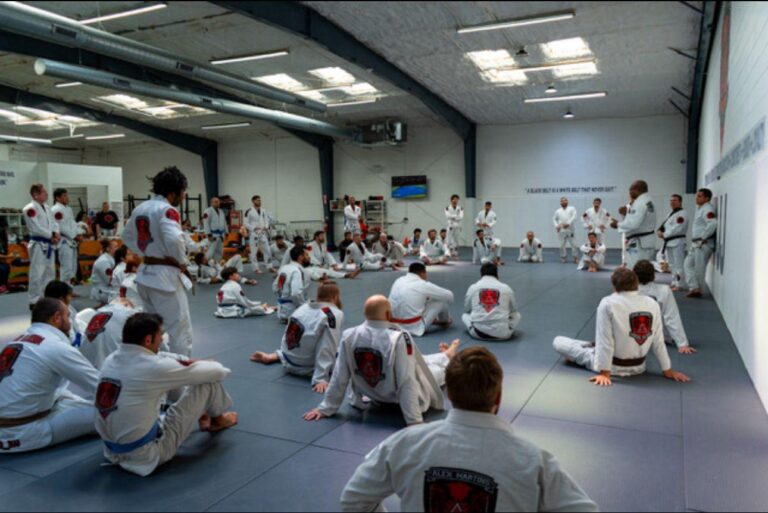
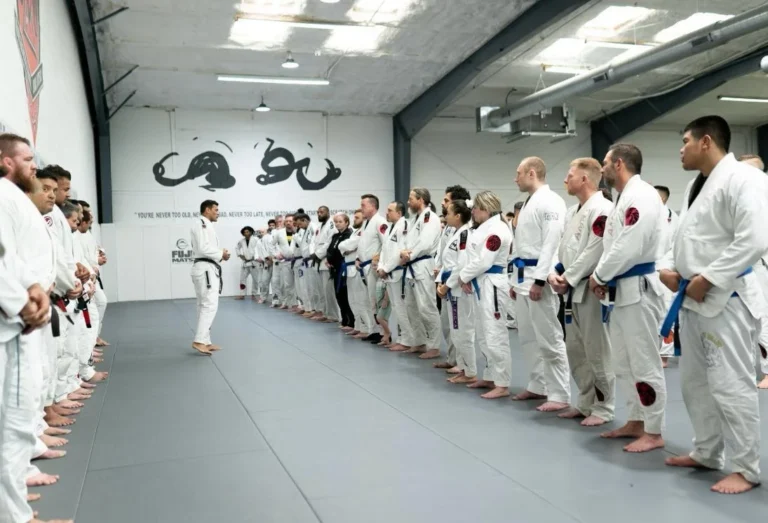
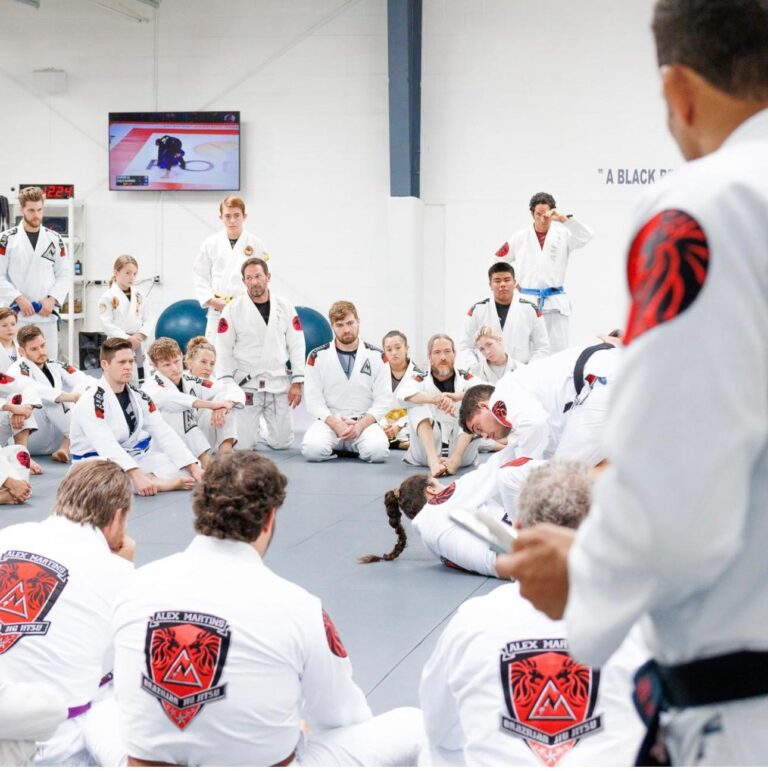
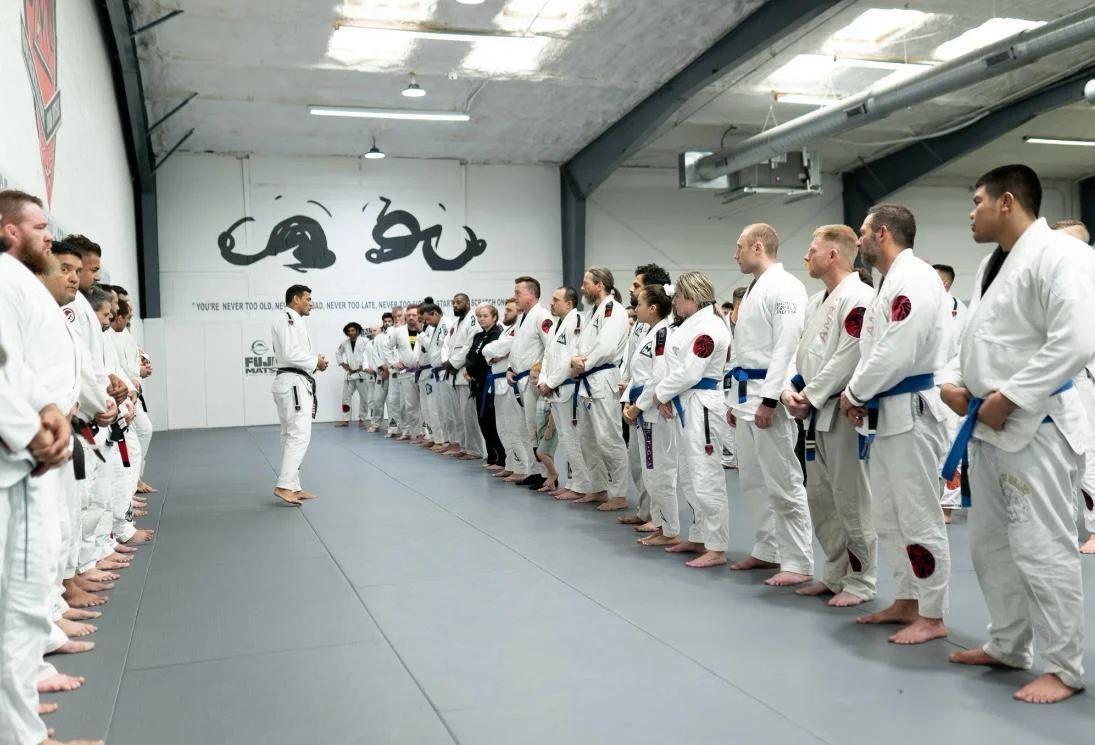
Brazilian Jiu-Jitsu (BJJ) is often called the “gentle art,” but anyone training in Dallas knows it is one of the most physically demanding sports in the world. The nature of grappling involves intense pressure, complex joint manipulation, and explosive movements. While the risks are inherent, most injuries in BJJ are entirely preventable. Staying on the mats requires a dual approach: practicing smart on the mats and building a resilient, strong body off them. At Alex Martins BJJ in Dallas, we prioritize the longevity of our students. This guide explores the essential strategies for preventing injuries and the best exercises to strengthen your body for a lifetime of Jiu-Jitsu.
Discover alex martins bjj in dallas
I. On-Mat Strategies for Injury Prevention
The most effective “pre-hab” starts during your training session. How you roll and how you interact with your partners in Dallas dictates your injury risk more than any weightlifting program.
1. Leave Your Ego at the Door: The Power of the Early Tap
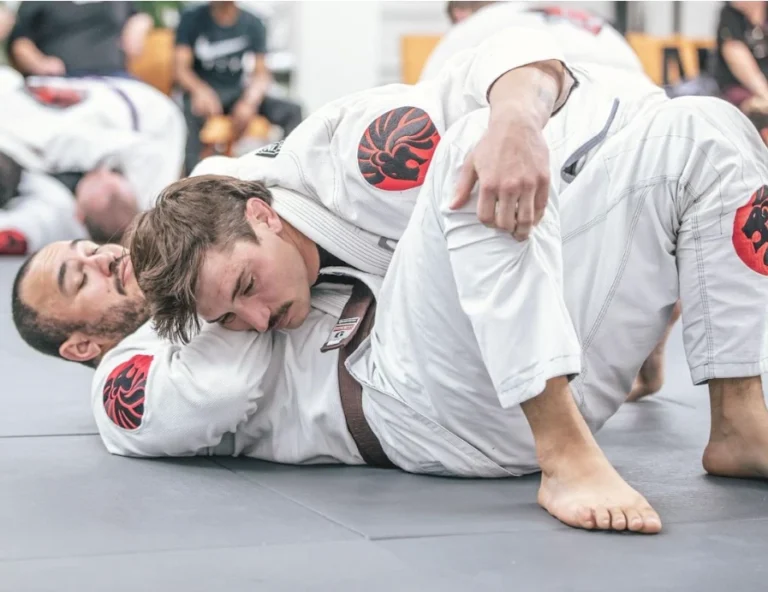
The single most common cause of injury in BJJ is the “late tap.” Whether it is due to pride or a lack of awareness, resisting a submission until the point of pain is a recipe for disaster.
Tap Early, Tap Often: In the gym, there are no trophies for escaping a fully locked armbar. If you are caught, acknowledge the technique, tap, and reset. This keeps your joints healthy for the next round.
Respect Your Partner: Communication is key. If you have a pre-existing injury, tell your training partner before the roll. A good partner at Alex Martins BJJ will respect your limits.
2. Focus on Technical Precision Over Brute Force
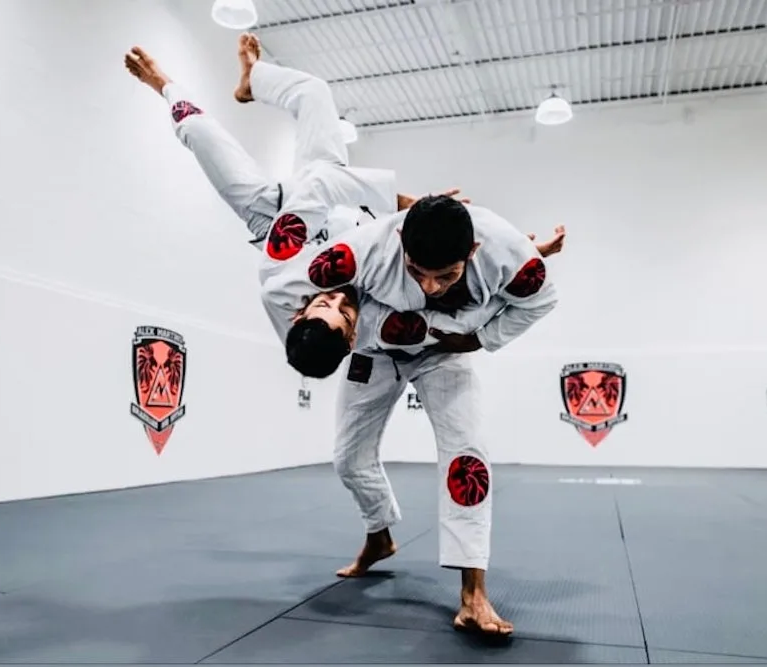
“Spazzing,” or using uncontrolled, explosive force without a technical goal, is the leading cause of accidental injuries to yourself and others.
Flow Rolling: Practice moving smoothly without 100% intensity. This helps you identify openings and transitions without the high-risk impact of a scramble.
Control the Scramble: Many injuries happen during chaotic transitions. If you feel a scramble is getting out of control, it is often safer to concede the position rather than forcing an awkward movement that could twist a knee or ankle.
3. The Importance of a Proper Warm-Up
Cold muscles and stiff joints are prone to tears. A proper warm-up in Dallas increases blood flow and prepares your nervous system for the demands of grappling.
Dynamic Movement: Instead of static stretching, focus on BJJ-specific movements like hip escapes, technical stand-ups, and forward/backward rolls. These movements “grease the groove” for the techniques you will use in class.
II. Strengthening Your Body for the Mats
BJJ places unique stresses on the neck, shoulders, lower back, and knees. To protect these areas, you must supplement your mat time with a targeted strengthening routine.
4. Posterior Chain Development
The “posterior chain” includes your hamstrings, glutes, and lower back. These muscles act as the “engine” for BJJ, providing the power for bridges, sweeps, and takedowns.
Deadlifts and Kettlebell Swings: These are the gold standard for BJJ athletes in Dallas. They strengthen the lower back and hips, creating a “shield” against the strain of being stacked or playing guard.
The Fix: Incorporate low-rep, high-quality deadlifts or high-rep kettlebell swings twice a week to build explosive endurance and spinal stability.
5. Core Stability and Rotational Strength
A strong core is not about six-pack abs; it is about protecting your spine from being twisted or compressed.
Planks and Hollow Rocks: These exercises build isometric strength, which is vital for maintaining your posture when an opponent is trying to break you down.
Rotational Exercises: BJJ is a multi-directional sport. Exercises like Russian twists or medicine ball throws prepare your core for the rotational forces of sweeps and throws.
6. Protecting the “BJJ Joints”: Shoulders and Knees
Grappling often puts the shoulders and knees in compromising positions. Strengthening the stabilizing muscles around these joints is essential.
Shoulder Health: Focus on pulling movements. Pull-ups, rows, and face-pulls balance out the “pushing” nature of BJJ and help prevent rotator cuff injuries.
Knee Stability: Squats and lunges (with proper form) strengthen the quadriceps and hamstrings, which support the ACL, MCL, and meniscus. Adding “Tibialis” raises can also help bulletproof the knees against the twisting forces of leg locks and takedowns.
III. Mobility, Flexibility, and Recovery
Strength without mobility leads to stiffness, which increases injury risk. Recovery is where the actual strengthening of your tissues happens.
7. Functional Mobility (Not Just Stretching)
In BJJ, you need to be strong in “end-range” positions. This requires active mobility, not just passive stretching.
Hip Mobility: Tight hips are the primary cause of lower back pain in BJJ. Focus on 90/90 hip switches and pigeon poses to keep your guard fluid and your back safe.
Neck Strengthening: Your neck takes a lot of abuse in chokes and front headlocks. Simple isometric neck holds (pressing your hand against your forehead, sides, and back of the head) can build the support needed to prevent “stinger” injuries.
8. Nutrition, Hydration, and Sleep in the Dallas Heat
Training in Dallas, Texas, means you are losing a significant amount of fluid and minerals through sweat.
Hydration: Dehydrated muscles are more likely to cramp and tear. Drink plenty of water and supplement with electrolytes (magnesium, potassium, sodium) to maintain muscle function.
Protein and Sleep: Protein provides the building blocks for muscle repair, while sleep is when your body releases growth hormones for recovery. Aim for 7–9 hours of quality sleep, especially after hard training days at Alex Martins BJJ.
Longevity is the Goal
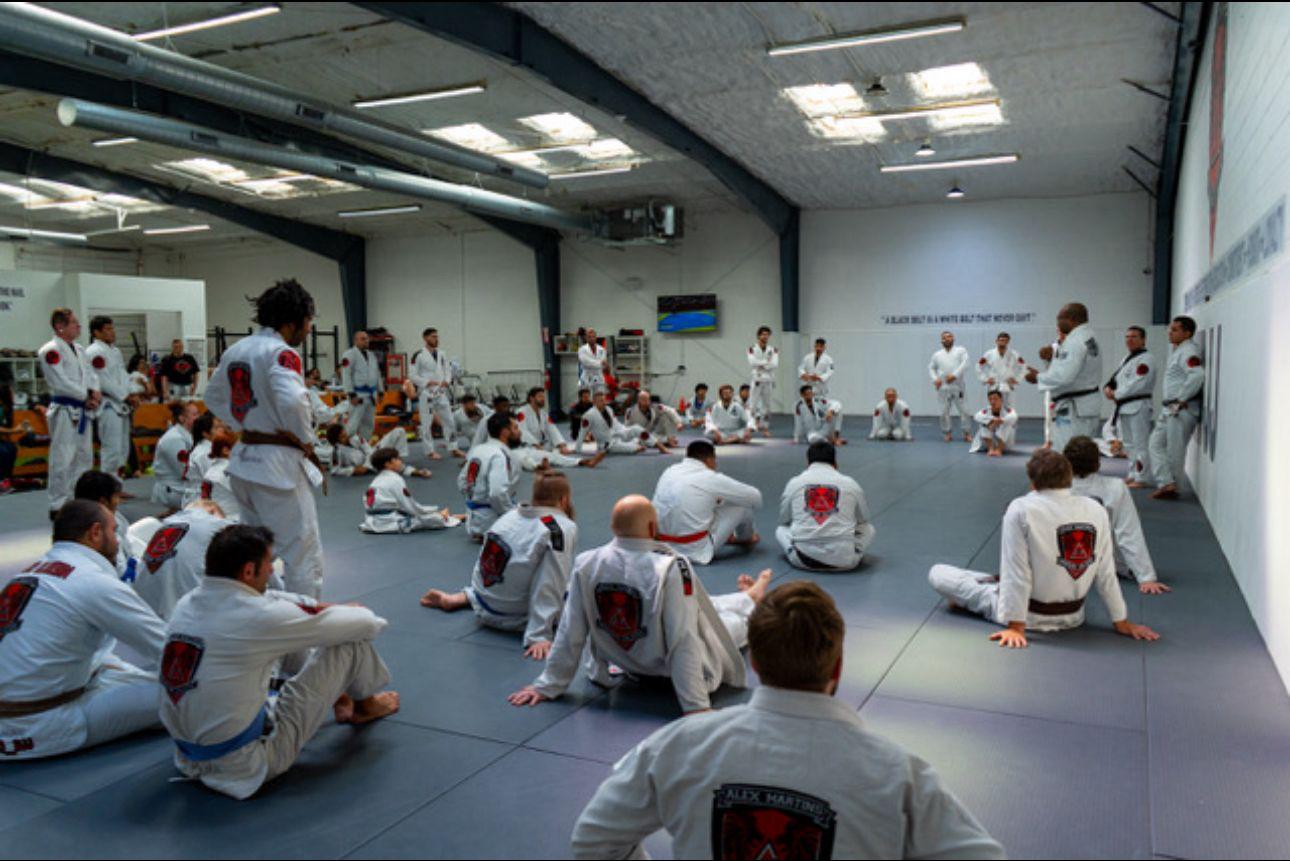
The best BJJ practitioner is the one who can keep training year after year. By combining technical discipline on the mats with a dedicated strengthening and recovery routine off them, you can minimize your time on the sidelines and maximize your progress. At Alex Martins BJJ in Dallas, we want to see you reach your black belt in peak physical condition.
Discover alex martins bjj in dallas
Ready to build a stronger, injury-proof body for BJJ?
Visit Alex Martins BJJ Dallas or call us today to join our supportive community. Let’s work together to ensure you stay healthy, strong, and ready for every challenge right here in Dallas, Texas!