BJJ for First Responders in Dallas: The Ultimate Training for Police, Military, and Firefighters
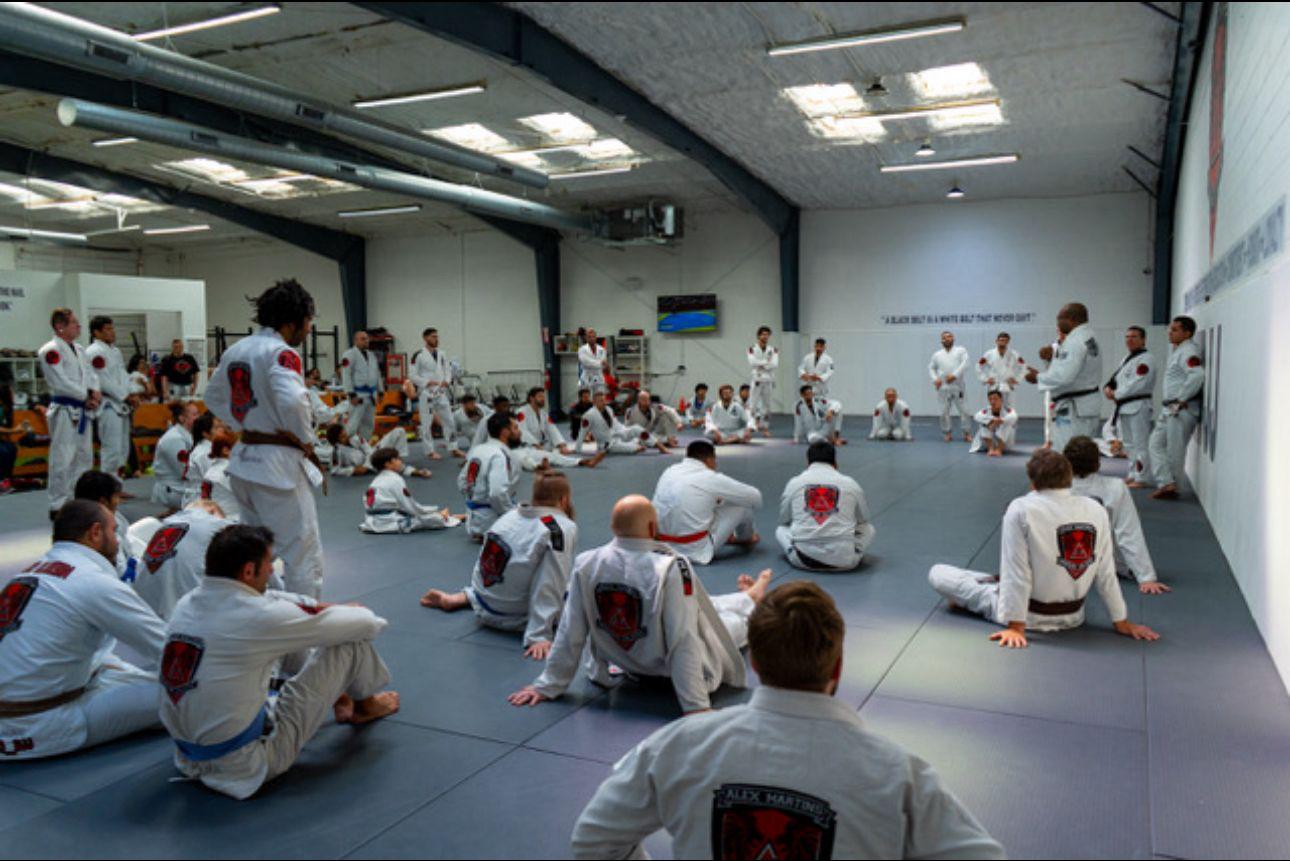
For those serving on the front lines in Dallas—our police officers, military personnel, and firefighters—the nature of the job is inherently dangerous and unpredictable. Every day, these professionals face high-stress environments where split-second decisions determine outcomes for themselves and the community. While traditional academy training provides a foundation, many find that Brazilian Jiu-Jitsu (BJJ) offers the most practical, life-saving skills for real-world scenarios. At Alex Martins BJJ in Dallas, we take pride in training our first responders. We provide a disciplined environment where heroes can hone the techniques necessary for subject control, survival, and mental resilience. This guide explores why BJJ is the indispensable tool for those who serve.
Discover alex martins bjj in dallas
I. Law Enforcement: Mastering Subject Control and De-escalation
Police officers in Dallas face a unique challenge: they must be able to detain individuals effectively while minimizing the risk of injury to both themselves and the suspect. In a world where every interaction is scrutinized, BJJ provides a systematic approach to non-violent compliance.
1. Subject Control Without Excessive Force
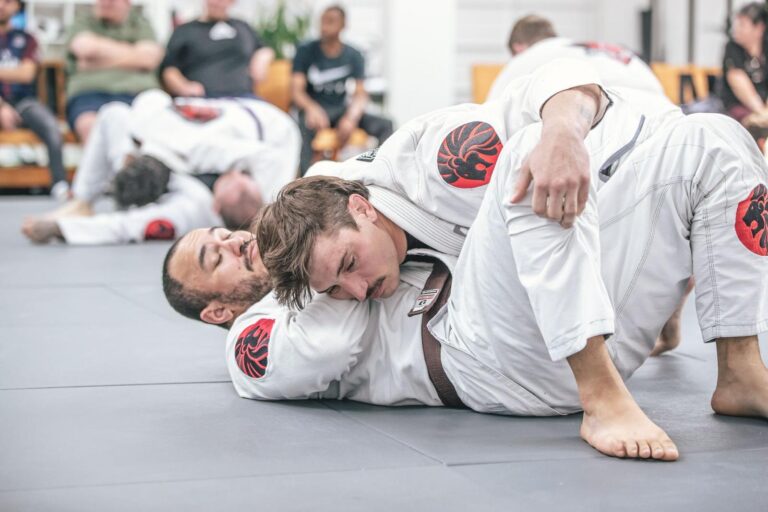
BJJ is built on the foundation of control. For an officer, the ability to pin a suspect and maintain a dominant position is vital.
Pressure and Leverage: Instead of relying on strikes, which can escalate a situation and cause significant injury, BJJ uses leverage and body weight to immobilize a subject. This allows an officer to wait for backup or apply handcuffs safely.
Managing Resistance: Training at Alex Martins BJJ involves rolling with resisting partners. This conditions an officer to stay calm when a subject struggles, preventing the “panic response” that often leads to excessive force.
Weapon Retention: A critical part of BJJ for law enforcement is learning to protect one’s equipment. Grappling skills teach an officer how to keep their weapon secure during a struggle on the ground.
2. Reducing Liability and Enhancing Public Safety
Officers trained in BJJ are statistically more confident in their physical abilities. This confidence leads to a more measured response.
Calm Under Pressure: When an officer knows they can handle a physical altercation, they are less likely to overreact with higher-force options.
Professionalism: The technical proficiency gained on the mats ensures that arrests are made with precision, reducing the likelihood of injuries that lead to lawsuits and administrative issues in Dallas.
II. Military Personnel: Combat Readiness and Ground Survival
For active-duty military and veterans in Dallas, the transition from standing combat to ground survival is a reality of modern warfare. BJJ is a core component of elite military combatives programs worldwide for a reason.
3. Survival in Close-Quarters Battle (CQB)
In combat environments, space is often limited. Whether in a building or a trench, the ability to grapple is a survival necessity.
Neutralizing Threats: BJJ teaches soldiers how to use an attacker’s momentum against them, which is crucial when operating under the weight of gear and body armor.
Hand-to-Hand Proficiency: When primary and secondary weapons fail or are inaccessible, a soldier’s grappling skill is their last and most reliable line of defense.
Conditioning for the Fight: The grueling nature of BJJ training builds a type of “combat cardio” that traditional gym workouts cannot replicate. It prepares the body for the explosive demands of a physical engagement.
4. Transitioning to Civilian Life
Many veterans in Dallas find that BJJ provides the structure and camaraderie they miss from military service.
Sense of Mission: The belt system provides clear goals, mirroring the rank structure of the military.
Supportive Community: The mats at Alex Martins BJJ serve as a brotherhood/sisterhood where veterans can connect with like-minded individuals who understand the value of discipline and sacrifice.
III. Firefighters and EMTs: Physical Performance and Safety
Firefighters and emergency medical personnel in Dallas may not be looking for “combat” skills, but the physical and mental demands of their jobs align perfectly with BJJ training.
5. Functional Strength for Rescue Operations
Firefighting is one of the most physically taxing professions. BJJ builds the specific type of strength needed to move heavy loads in awkward positions.
Core and Posterior Chain: BJJ movements like bridging and shrimping strengthen the muscles used to lift and carry equipment or patients.
Grip Strength: The constant grappling in a Gi or No-Gi environment develops incredible grip strength, essential for handling hoses, tools, and heavy gear.
Injury Prevention: By improving flexibility and joint mobility, BJJ helps protect firefighters from the common strains and sprains that occur during rescue operations.
6. Managing High-Stress Medical Scenarios
EMTs and firefighters often encounter individuals who are in shock, under the influence, or experiencing mental health crises.
Non-Aggressive Restraint: BJJ provides techniques to safely restrain a patient who may be hurting themselves or others, without causing them physical harm.
Personal Protection: Occasionally, first responders are attacked in the field. BJJ provides the skills to escape a bad position and disengage safely until law enforcement arrives.
IV. The Mental Edge: Resilience and PTSD Prevention
The most profound benefit of BJJ for first responders in Dallas is the impact on mental health. The jobs of these professionals involve constant exposure to trauma.
7. Stress Inoculation and Mental Detox
Active Meditation: Rolling requires total focus. For an hour, a first responder can forget the stresses of the job and focus entirely on the puzzle of the mat. This “mental reset” is vital for long-term psychological health.
Managing Adrenaline: First responders are often “adrenaline junkies” by necessity. BJJ provides a healthy, controlled outlet for this energy, helping to prevent the “burnout” common in these fields.
8. Resilience Against Trauma
The grit developed by overcoming difficult positions on the mat builds a psychological shield. By learning to face and overcome physical stress daily, first responders develop a higher threshold for the emotional stress they encounter on duty.
Why Choose Alex Martins BJJ Dallas?
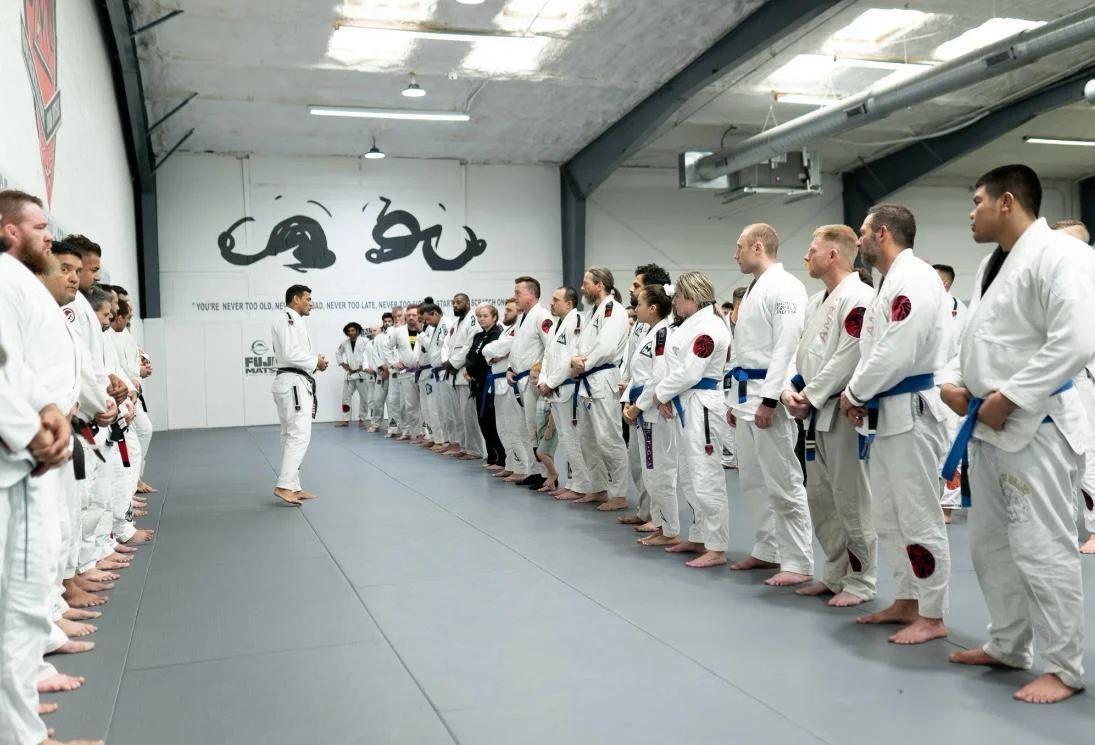
At Alex Martins BJJ, we understand the specific needs of our Dallas heroes. Professor Alex Martins, a black belt under the legendary Master Rickson Gracie, teaches a style of Jiu-Jitsu that prioritizes efficiency and survival—exactly what a first responder needs.
Elite Lineage: You are learning the “Invisible Jiu-Jitsu” that focuses on weight distribution and hidden pressure, making your techniques effective even when you are tired or outnumbered.
Professional Environment: Our academy is a place of respect. We understand the sacrifices you make, and we provide a safe, clean, and professional facility for your training.
Specialized Training: We often host specific seminars and classes focused on tactical applications and subject control.
Discover alex martins bjj in dallas
Are you a First Responder in Dallas ready to take your training to the next level?
Contact Alex Martins BJJ Dallas today to learn more about our programs and schedule your free trial class. Invest in your safety, your health, and your career. We are proud to support those who protect and serve Dallas, Texas!